Watch how work really moves, not how it is described. Follow one journey across people, documents and systems. Compare the stated rule with actual practice, retaining the source, time and conditions of each observation. The output is a current-state picture and a baseline that the institution can revisit.
Explore the pathReinventing Institutional Image
We change the operations, behaviour and everyday experiences an institution’s image is built from.
PROVISIONAL POSITIONING · Being tested with institutional decision-makers.
Scroll to exploreFeatured

Why decision records beat meeting minutes

Trust is often lost between two completed steps.

Ten repeated signals may still be one source.

A useful local practice is not yet a network standard.

An institutional agent needs a boundary before it needs a personality.

Measure coherence before publishing a score
We don’t polish the image. We change the reality it’s made of. Roadyom traces institutional image back to the decisions, systems, behaviors and experiences that produce it. We work in the field, build the path and return to the evidence.
Trace the image back to reality
/0.1Institutional ImageTrace the promise to its support. /0.2ExperienceUnderstand what people actually encounter. /0.3Build the PathChange the condition producing the friction. /0.4Institutional Image IndexMeasure intended against verifiable. /0.5Institutional MemoryLeave knowledge the next team can use.The Catalytic Path
Find where decisions wait, bounce or get lost. Distinguish a missing instruction from unclear authority, an overloaded handoff or a conflicting incentive. State who experiences the friction, who can change it and which evidence would challenge the explanation. The output is a prioritized friction map, not a list of complaints.
Explore the pathSet who decides what and how work moves. Define the next step, decision rights, escalation conditions, handoff information and acceptance criteria. A path may require a rule, role, protocol, interface or integration. Choose the smallest structure that addresses the observed friction.
Explore the pathTest the path under real pressure. Use an agreed pilot, include exceptions and different shifts, and record where people need help. A workshop can prepare the team; it cannot substitute for use in a real week. The output is a tested path with failures and revisions visible.
Explore the pathHand the path to the people who run it. Assign an operating owner, a review routine, access permissions and a way to update the playbook. Ask whether the institution can use and maintain the path without Roadyom. Ownership is demonstrated in practice, not by a handover presentation.
Explore the pathShow what changed and what cannot be claimed. Re-observe against the baseline under comparable conditions. Keep alternative explanations, contradictory observations and missing coverage visible. Separate completion, delivery, acceptance, observed outcome and attributed impact. Agree the next observation with the institution.
Explore the path
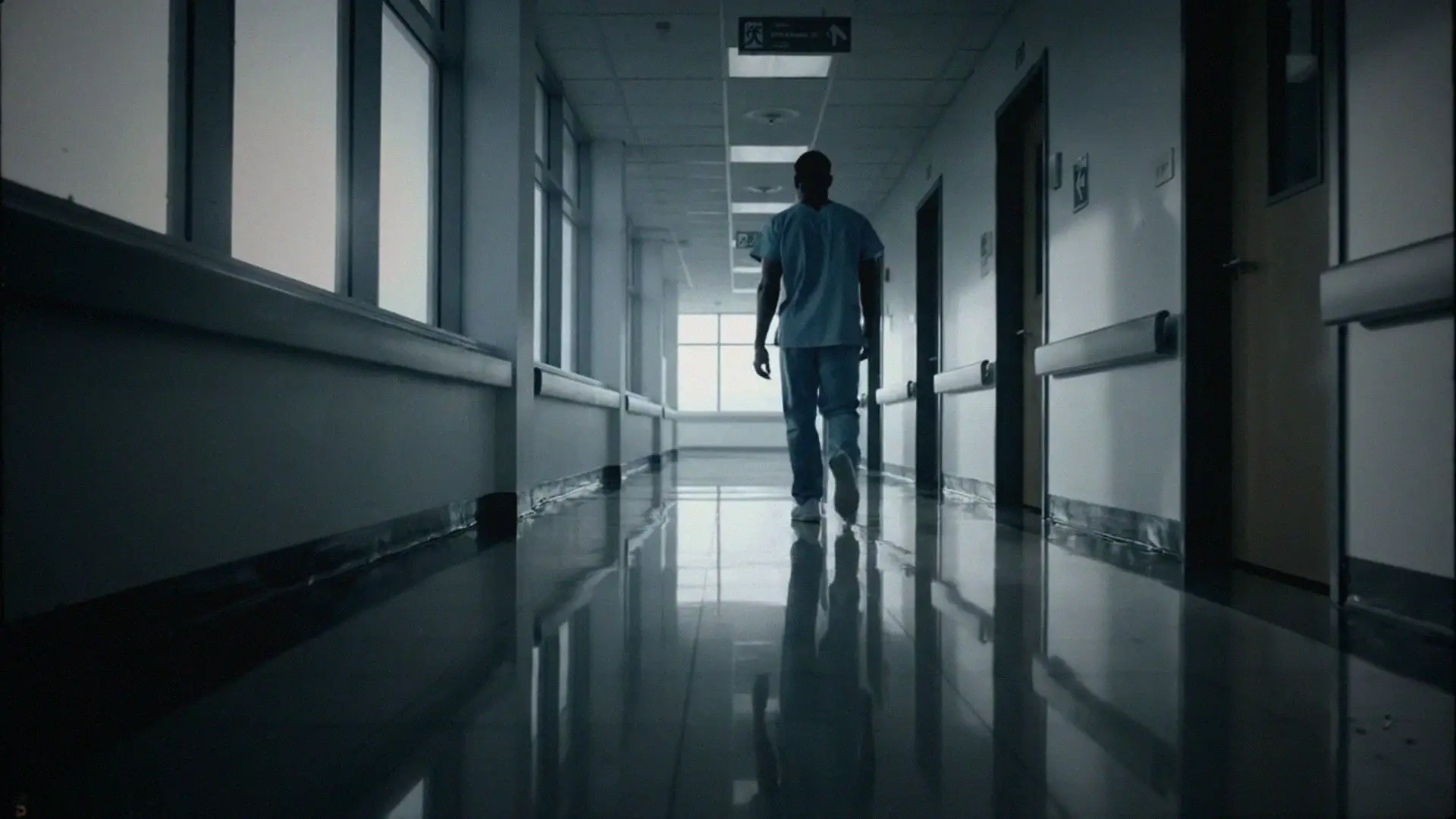
Reality leaves traces. We go where they appear.
Observation, interviews, journeys, decisions and documents reveal different parts of one institution. We follow the promise into the work and the experience it produces.
Explore fieldworkKnow what changed. Know what did not.
WORK YOU CAN INSPECTEvidence Studies
Context, baseline, path, movement and ownership.
ExploreEvidence Standard
Distinguish observed, inferred, hypothesis, contradiction and unknown.
ExploreInstitutional Image Index
Examine coherence between promise and verifiable reality.
ExploreInstitutional Memory
Keep the reasoning and the next observation.
ExploreAI in the System
Reading and retrieval with sources, boundaries and human review.
ExploreExperience
Follow what people encounter at each transition.
Explore01 / ILLUSTRATIVE SCENARIO
The request moved. The person is still waiting.
What the institution intends
A request reaches the responsible team. Each handoff brings it closer to a decision.
What the person experiences
They repeat the same explanation. Nobody can name the next step or who owns it.
The gap is where Roadyom begins.
02 / TWO SIDES OF ONE INSTITUTION
One institutional truth. Two ways to see it.
Institution View
Strategy, leadership, decisions, processes, systems, data and capabilities.
Human View
The customer, patient, employee or partner who lives the journey, its friction and its consequences.
We examine how work is organised alongside how people experience it. An account from one side is a starting point, not the whole explanation.
How we observe institutional work →03 / FROM UNDERSTANDING TO CHANGE
Friction → Path → Capability
Understanding the gap is not enough. The Catalytic Path connects observation to intervention, ownership and re-observation.
What we may build depends on the institution: a process, service journey, operating practice, decision mechanism, software integration, training or measurement capability.
One Roadyom underneath. A different Roadyom for every institution.
Explore The Catalytic Path /0.1–/0.6 →04 / PROOF BEFORE CLAIMS
What changed? How do we know?
No client outcome is presented here without approved evidence and publication permission. Until a documented case is available, inspect the standard we require.
- Claim
- Evidence
- Baseline
- Intervention
- Re-observation
- Change
- Confidence
05 / A CLEAR FIRST STEP
Start with a real point of friction.
Describe the problem and its context. The first conversation explores scope and fit, without an obligation to commission work.
Map the Friction


